
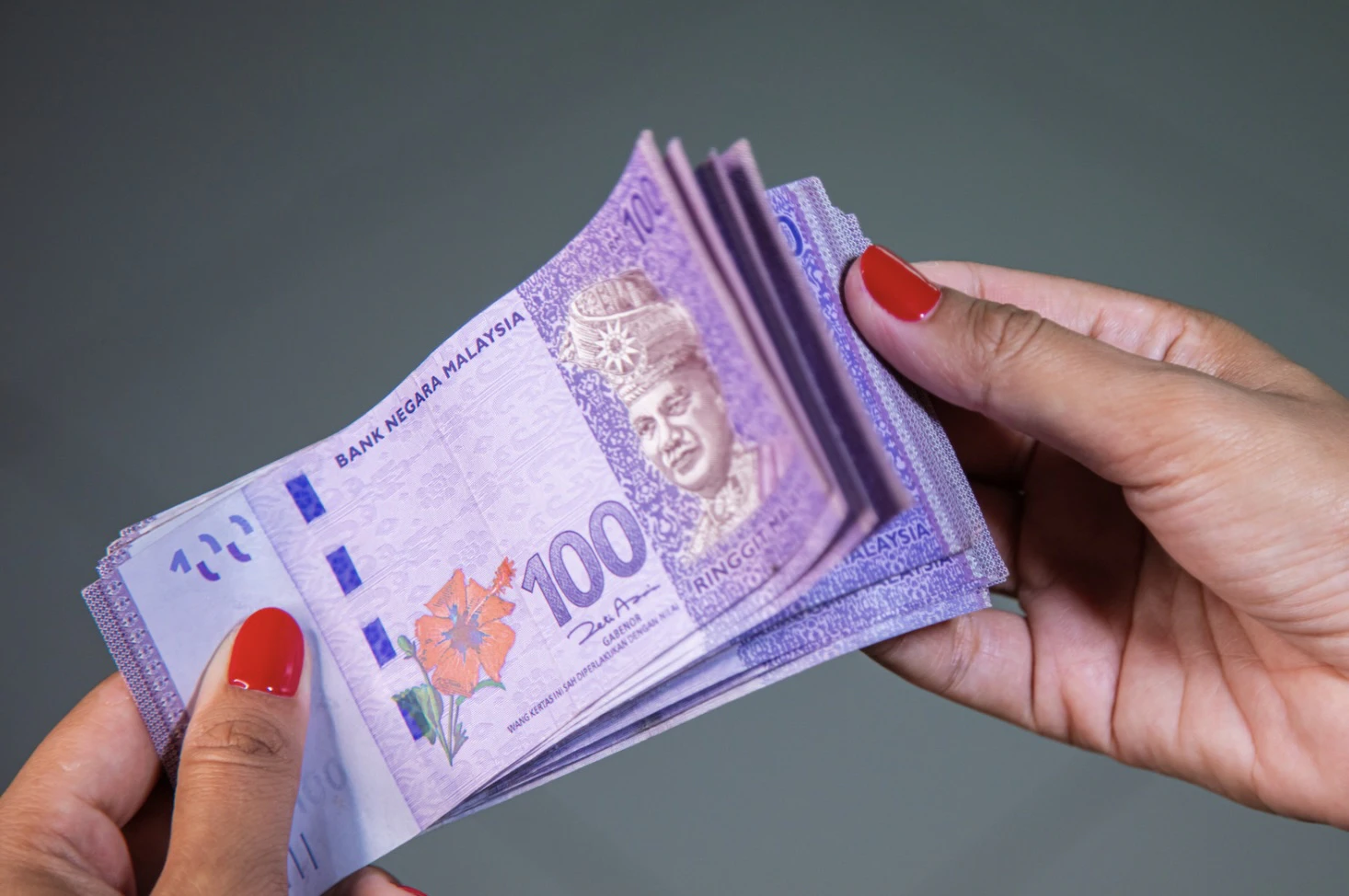
For many Malaysian families, one quiet routine defines the bond between parents and children: an allowance, given every month. It is an expression of filial piety, a way to show gratitude and respect after a lifetime of sacrifice. But for many families today, that monthly allowance is no longer enough, and it can create strain on both sides.
This article looks at what filial piety means in Malaysia today, why the allowance model is struggling, and how families can care for elderly parents in a way that protects everyone's dignity.
What is filial piety?
Filial piety is the virtue of respect, care and gratitude that children owe their parents and elders. In Chinese it is xiao (孝), and it sits at the heart of Confucian ethics. Confucius and his followers taught that the family is the foundation of a good society, and that a child's duty to honour and look after their parents is the root of all other virtues. The Classic of Filial Piety, a short Confucian text written more than two thousand years ago, set out these duties and was studied for centuries in China and across East Asia.
Traditionally, the practice of filial piety meant obeying and respecting parents, caring for them in old age, continuing the family line and honouring them after death, including through ancestor worship. It has always carried an idea of reciprocity: parents raise and provide for their children, and children care for their parents when they grow old.
Filial piety across Malaysian families
Filial piety is often described as a Chinese cultural value, but similar duties run through every Malaysian community:
- Chinese families carry the Confucian idea of xiao, often expressed through a monthly allowance, family dinners and caring for parents at home.
- Malay and Muslim families speak of berbakti kepada ibu bapa or birrul walidain: the Quran (Surah al-Isra', 17:23-24) asks believers to be kind to their parents and speak gently to them in old age.
- Indian families draw on Hindu, Sikh and Christian teachings that place parents and elders in a position of great respect.
Respect for the elderly is shared. What has changed is the setting in which families try to live it out.
Filial piety in modern Malaysia: what has changed
Most Malaysian families still value filial piety, but in many homes its meaning is shifting: less about obedience and one child's duty, more about mutual respect, emotional closeness and responsibility shared between siblings. The traditional values remain the cornerstone; the practical arrangements are changing.
Several things have made the old model harder to follow:
- Smaller families. Fewer siblings share the cost and care of elderly parents.
- Children living away. Many work in KL while parents live in Penang or Ipoh, or work in Singapore while parents stay in Johor.
- Longer lives. Older people are living longer, often with chronic illness, so support is needed for twenty or thirty years.
- The sandwich generation. Adult children often support their own children and their parents at the same time.
Some countries have turned filial obligations into law. Singapore's Maintenance of Parents Act of 1995 allows parents who cannot support themselves to claim maintenance from their children, and China's elderly rights law asks adult children to visit and care for their parents. Malaysia has debated the idea in proposals for a senior citizens law; see our article on the Senior Citizens Bill and children's duty to support parents.
The filial paradox many families don't talk about
For a working adult, giving parents an allowance comes from a good place. You want to give back after years of sacrifice, and you feel a strong sense of duty. But over time, a paradox emerges.
For parents
- The allowance helps, but is often still not enough.
- Asking for more feels uncomfortable, so they go without.
- They begin to depend on their children, and may feel like a burden.
For children
- You may be raising your own family and paying your own mortgage and bills.
- You may disagree with siblings about who gives what.
- You may feel guilty that you cannot give more.
The numbers behind the strain
EPF's Belanjawanku 2024/2025 guide, developed with the University of Malaya's Social Wellbeing Research Centre, estimates that a senior couple in the Klang Valley needs about RM3,390 a month for a reasonable standard of living, up 5.6% from the previous edition. A single senior needs about RM2,690.
A typical allowance from children is RM500 to RM1,000 a month. Unless parents have a good pension or savings, that leaves a gap of RM2,000 or more every month, before any medical bills, insurance premiums, home repairs or care costs.
RM1,000 feels generous to the child giving it. In practice it may cover some food, utility bills and the odd meal out. It rarely covers specialist fees, a carer, repairs to an ageing house, or the small comforts that make life dignified.
The emotional cost no one sees
This is not only about money. It is about identity. Many of today's elderly parents were once the providers. They raised families without asking for help. Now they hesitate to ask for more, feel guilty when expenses come up, and sometimes avoid care to spare their children. Children, in turn, worry about whether they are doing enough. Over time, this can strain family relationships that should be a source of comfort.
The traditional answer: give more
When the gap grows, the instinct is to increase the allowance. But that creates a cycle: more payment from children, more dependence from parents, and greater pressure on everyone in the long run. For many families, it is not sustainable.
A different way to honour your parents
What if being a filial son or daughter today means helping parents have their own income, rather than giving more each month? When parents have their own cash flow, they can pay for daily needs and healthcare without hesitation, and keep their independence. Children can focus on what money cannot buy: time, visits, care and companionship. That is filial piety in its fullest sense.
Where KALSIS comes in
For many elderly people, the family home is their largest asset, but it pays no income. KALSIS is a retirement financing scheme, not a loan, for seniors aged 70 and above who own and live in a fully paid freehold landed home in the Klang Valley, Penang or Johor. Your parents sell the home to the scheme and keep the right to live in it for life. In return they receive a lump sum in Year 1 of up to 10% of the home's market value, then monthly payments for life of up to 4% a year from Year 2. The rate depends on the age of the participants and the type and location of the home. They pay nothing in fees or costs: KALSIS's fees and transaction costs are paid by the investors in KALSIS.
The income can supplement, or even replace, the allowance. It becomes a shared family decision that looks after both generations.
An honest word: because the home is sold to the scheme, it will no longer pass to the family. It works best when parents and children talk it through together, with advice from a lawyer.
Starting the right conversation
If you are wondering how much to give your parents, start with a few gentle questions:
- What are their real monthly expenses, including healthcare?
- Is the current allowance enough, or mostly symbolic?
- How would they feel about having an income of their own?
- How can siblings share the time and care, not just the money?
These conversations can feel uncomfortable. But they help avoid misunderstandings, reduce stress and strengthen family relationships.
See what your parents' home could provide
Send us the road name, district and house type (terrace, semi-detached or bungalow) and we will let you know, with no obligation, whether you are likely to qualify and what your home could provide. Check if you qualify or message us on WhatsApp.
Related reading: Helping Your Parent Fund Retirement, Caring for Parents in Malaysia from Singapore and When Siblings Disagree Over the Family Home
Sources: NST: EPF Belanjawanku 2024/2025, retirees need RM2,690 a month; EPF report: senior couple budget RM3,390; further reading: The Views on Filial Piety among Malaysian Chinese Retired Parents and Children.