
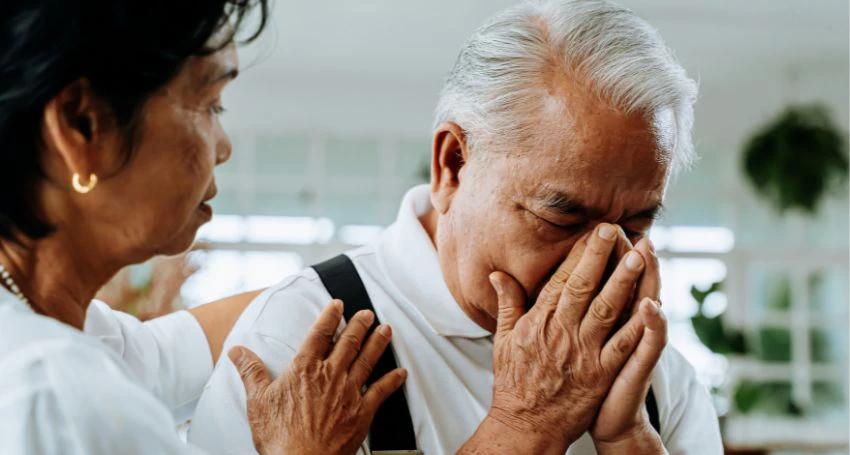
Let's be upfront: financial resources to help patients diagnosed with cancer, especially at late stages, are limited. We share this candid truth because we want patients and families to manage their expectations and make the best possible decisions with the options available. Time is a critical factor in cancer treatment. For seniors diagnosed at Stage 3 or 4, every week matters before the tumour spreads further, so knowing where the money will come from early can change the treatment plan.
Planning for the cost of treatment? Our guide sets out what surgery, chemotherapy, radiotherapy and immunotherapy can cost: What Cancer Treatment Costs in Malaysia at 70+.
Cancer treatment in Malaysia: the options
Cancer care in Malaysia usually involves a multidisciplinary team: a surgeon, a medical oncologist who prescribes chemotherapy, targeted therapy and immunotherapy, and a clinical oncologist who plans radiotherapy. Depending on the cancer, the treatment plan may include:
- Surgery to remove the tumour
- Chemotherapy, given in cycles, often over several months
- Radiotherapy or radiation therapy, usually daily sessions over several weeks
- Targeted therapy, drugs aimed at specific features of the cancer cells
- Immunotherapy, drugs such as pembrolizumab that help the immune system fight the cancer
- Palliative care, to control symptoms and keep the patient comfortable
Treatment is available at public hospitals, the National Cancer Institute (IKN), university hospitals and private hospitals and oncology centres. The cost differs greatly between them.
Can I get targeted therapy and immunotherapy in public hospitals?
It's a sad reality that 65% of cancers in Malaysia are diagnosed at a late stage, requiring complex and expensive treatments such as targeted therapy and immunotherapy. The situation becomes even more challenging for retired government pensioners who assume that their pension card will cover these treatments in public hospitals. The hard truth is that targeted therapy and immunotherapy are often not covered.
Here's what often happens at institutions like IKN or Hospital Kuala Lumpur (HKL): while initial consultations and basic cancer treatment may be covered, patients are often asked to buy expensive medications from external specialist pharmacies for infusion at the hospital. Public hospitals simply do not have the budget for these costly treatments. The National Cancer Institute's 2020 report shows that its allocation for cancer drugs was RM115 million, which, divided among 70,229 patients served in 2020, amounts to only RM1,640 per patient. That is a far cry from the RM20,000 per cycle needed for drugs like pembrolizumab, with patients typically needing multiple cycles.
University hospitals such as University Malaya Medical Centre (PPUM) and Hospital Canselor Tuanku Muhriz UKM (HUKM) face similar budget constraints, leaving many people with cancer struggling to find affordable treatment.
Will a private hospital or oncology centre help?
Many seniors turn to private hospitals and oncology centres for quicker access to an oncologist, surgery and treatment. Private healthcare operates on a for-profit model, which often means upfront cash deposits before treatment can begin for those who are uninsured and pay themselves. Many patients face the indignity of top-up payments while still in treatment.
Zero-percent credit card instalment plans are often advertised as a "solution", but for retirees without income they are simply debts to be repaid within one or two years. Sympathetic private oncologists may waive their own fees, but hospital charges, tests and medicines remain significant barriers to affordable cancer care. Some private hospitals have welfare funds; ask the hospital's patient services team.
How cancer charities provide financial and medical aid
Several cancer charities in Malaysia provide aid, but their funding is limited. Charities like MAKNA and the National Cancer Society Malaysia (NCSM) do their best to offer assistance to patients with breast, prostate, colorectal and other cancers, but the scale of support depends on public donations. MAKNA's assistance, for example, helps with basic needs such as medication and equipment within public hospitals. It is far from enough to cover the cost of advanced cancer treatment.
Pharmaceutical patient assistance programmes
Pharmaceutical companies often offer patient assistance programmes, especially for targeted therapy or immunotherapy. These may offer discounts or "buy one, get one free" arrangements, but patients are still left with large bills, often RM5,000 to RM20,000 per treatment cycle. Ask your oncologist whether a programme exists for your drug.
Can EPF withdrawals help pay for cancer treatment?
EPF withdrawals are an option, but they often fall short for seniors. Many members withdraw their savings at 55 and use them up within a few years, leaving little when a cancer diagnosis comes later in life. Adult children can withdraw only part of their own EPF savings to help with a parent's treatment: a noble gesture, but often not enough given the costs involved.
Is crowdfunding an option?
Crowdfunding for cancer treatment is still relatively uncommon in Malaysia, partly for cultural reasons. Many families prefer to keep their health private, and sharing a medical condition online can feel uncomfortable. It can work in some cases, but it is not always the right answer for seniors or their families.
The bottom line: cancer financial aid for seniors is limited
For seniors facing cancer, the options for financial assistance from hospitals, charities and pharmaceutical companies are limited. Children may want to help with their EPF savings, but this is often not enough, and crowdfunding can feel inappropriate.
KALSIS: a new way to fund cancer care
KALSIS is a retirement financing scheme, not a loan, for seniors aged 70 and above who own and live in a fully paid freehold landed home in the Klang Valley, Penang or Johor. It was built with Kenanga Investors Berhad and Kenanga Trustees Berhad and is funded by institutional investors. You sell the home to the scheme at market value and keep the right to live in it for life. In return you receive a lump sum in Year 1 of up to 10% of the home's market value, which can cover immediate treatment costs, then monthly payments for life of up to 4% a year from Year 2 for ongoing care and living costs. The rate depends on the age of the participants and the type and location of the home. You pay nothing in fees or costs: KALSIS's fees and transaction costs are paid by the investors in KALSIS.
Unlike most forms of cancer financial aid, KALSIS gives certainty: if you meet the eligibility criteria and the home is approved, the money is yours to use as you see fit, including for treatment, medicines, transport and care. See KALSIS for cancer patients.
The Chinese proverb 靠人不如靠己 means "it is better to rely on yourself than on others". KALSIS is built on that idea: financial independence for seniors, without burdening their families.
An honest word: because the home is sold to the scheme, it will no longer pass to your family. Please talk it through with your family and your lawyer. KALSIS does not give medical advice: please follow your oncologist's guidance on treatment.
See what your home could provide
Send us your road name, district and house type (terrace, semi-detached or bungalow) and we will let you know, with no obligation, whether you are likely to qualify and what your home could provide. Check if you qualify or message us on WhatsApp.